Phase 01
Entry Foundations
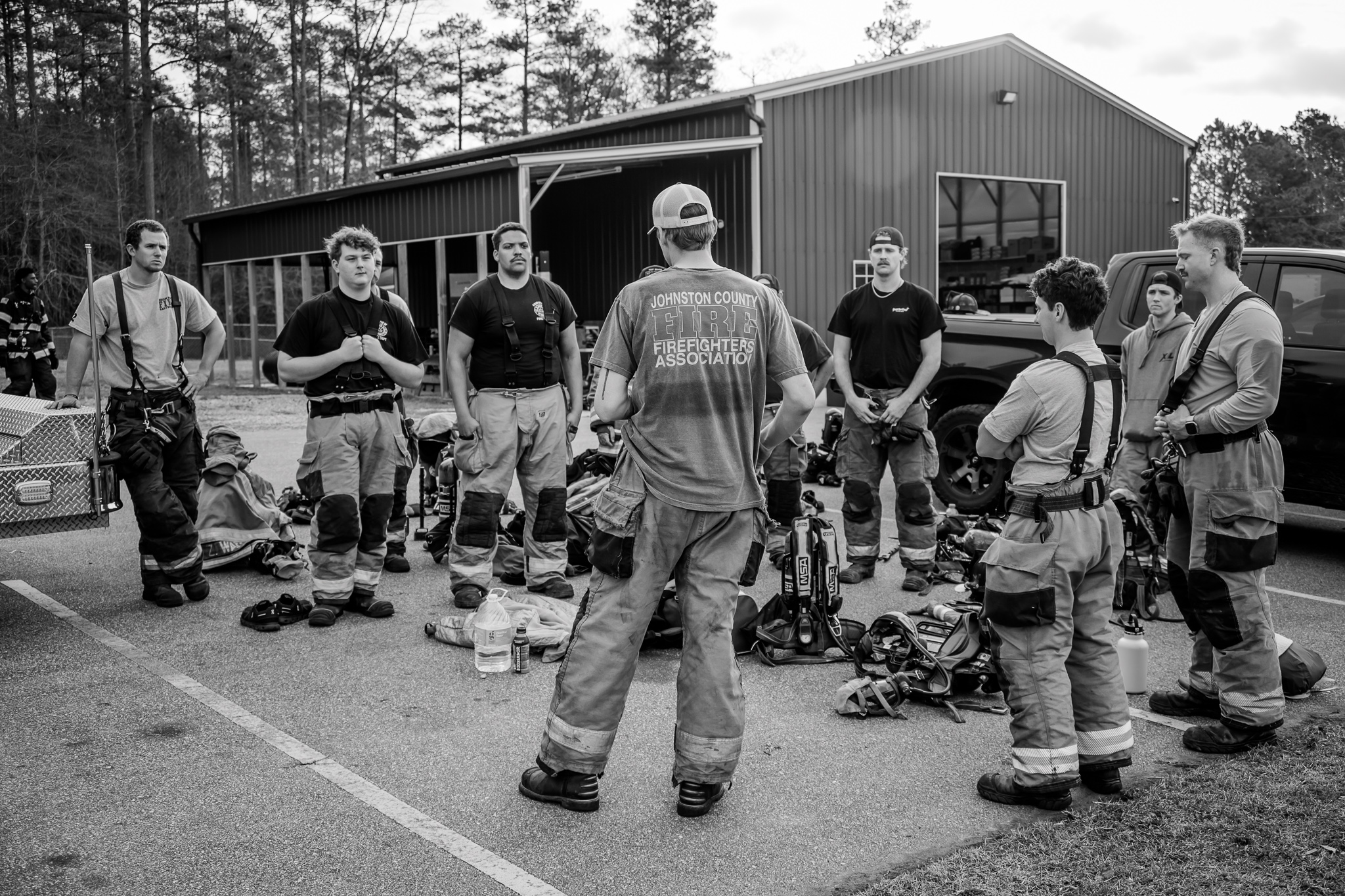
- PPE and SCBA proficiency
- Radio use and accountability
- Scene safety and risk management
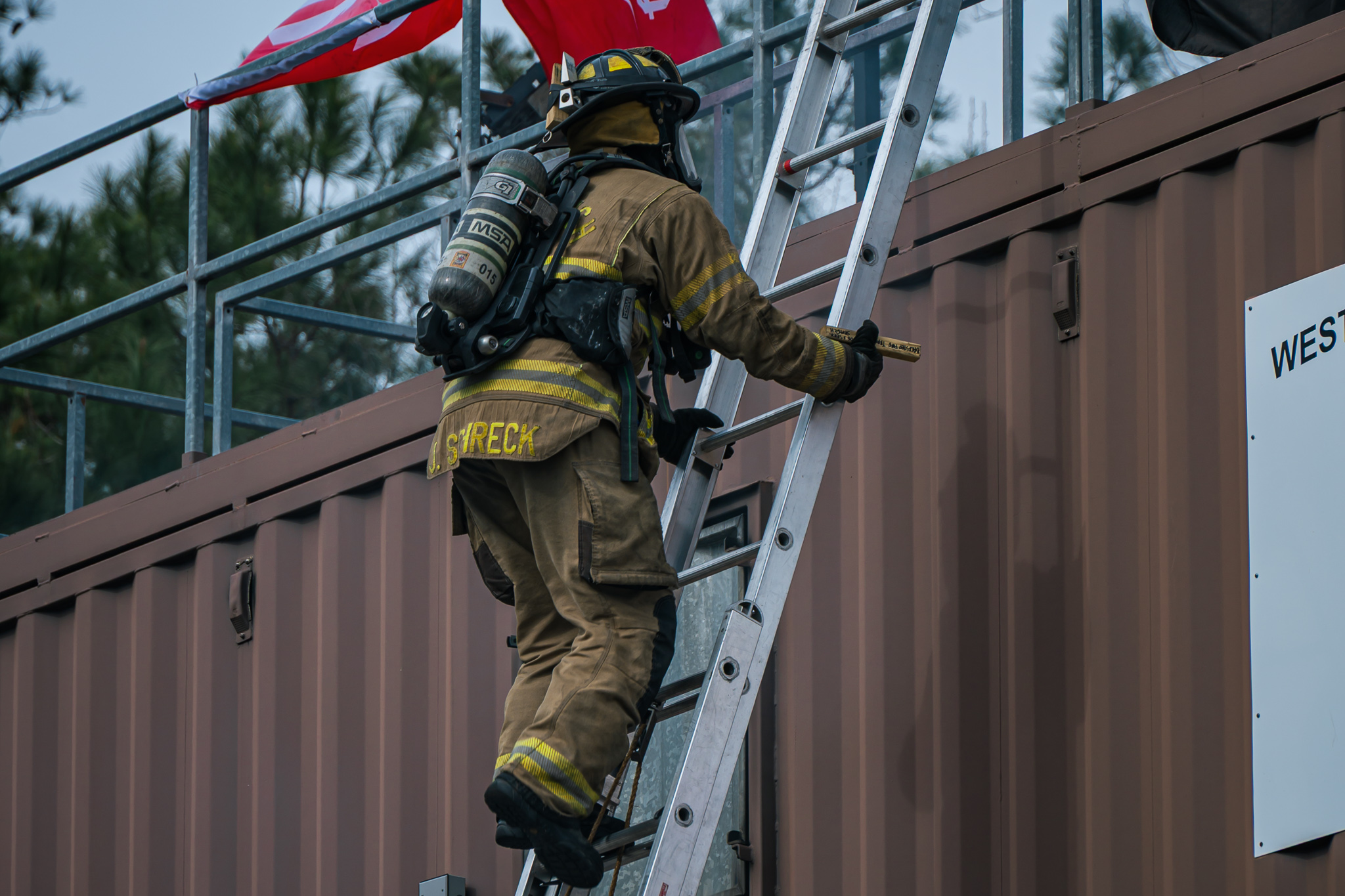
- Basic ladders, hose, and tools
A practical roadmap for core firefighter development. Not a textbook, just a clean guide to what most members must learn, practice, and prove for certification and safe field performance.
Typical progression for volunteer and career-track members. Your local standard and state requirements always control.
These are the recurring competencies most departments evaluate in drills, probie books, and practical testing.
Heat transfer, smoke reading, flow path, flashover indicators.
Launch Interactive LabType recognition, collapse indicators, tactical implications.
Launch Interactive LabLine selection, advancement, stream patterns, friction loss awareness.
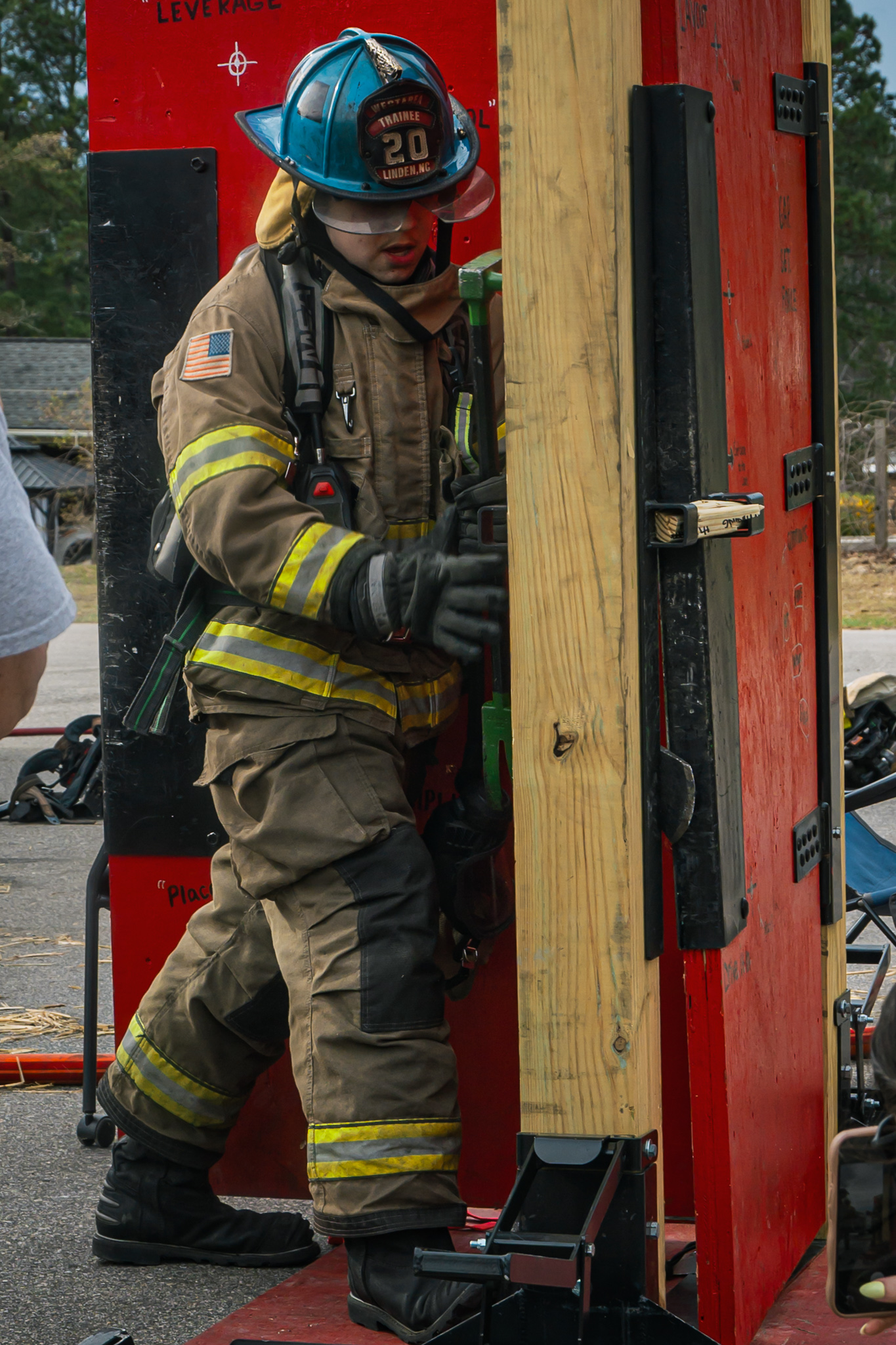
Launch Interactive LabConventional forcible entry with irons, saw use, door control.
Launch Interactive LabCarries, raises, climbing with tools, victim ladder assists.
Launch Interactive LabHorizontal and vertical timing tied to fire attack.
Launch Interactive LabPrimary and secondary search, oriented search, victim drags/carries.
Ground ladders, air management, firefighter removal priorities.
Hydrant supply, relay concepts, panel safety and communication.
Recognition, isolation zones, responder safety actions.
Hand tools, line-building pace, weather and fuel risk checks.
After-action notes, timeline accuracy, lessons learned capture.