Back To Main Site

Community Education

Westarea shares practical prevention guidance for families, neighborhoods, and hurricane-prone households. This page is for public education, not formal certification training.

Burn Prevention Fire Safety Facts Extinguisher PASS Smoke Detectors CPR Basics Hurricane Preparedness Public Education Only
Community outreach moment
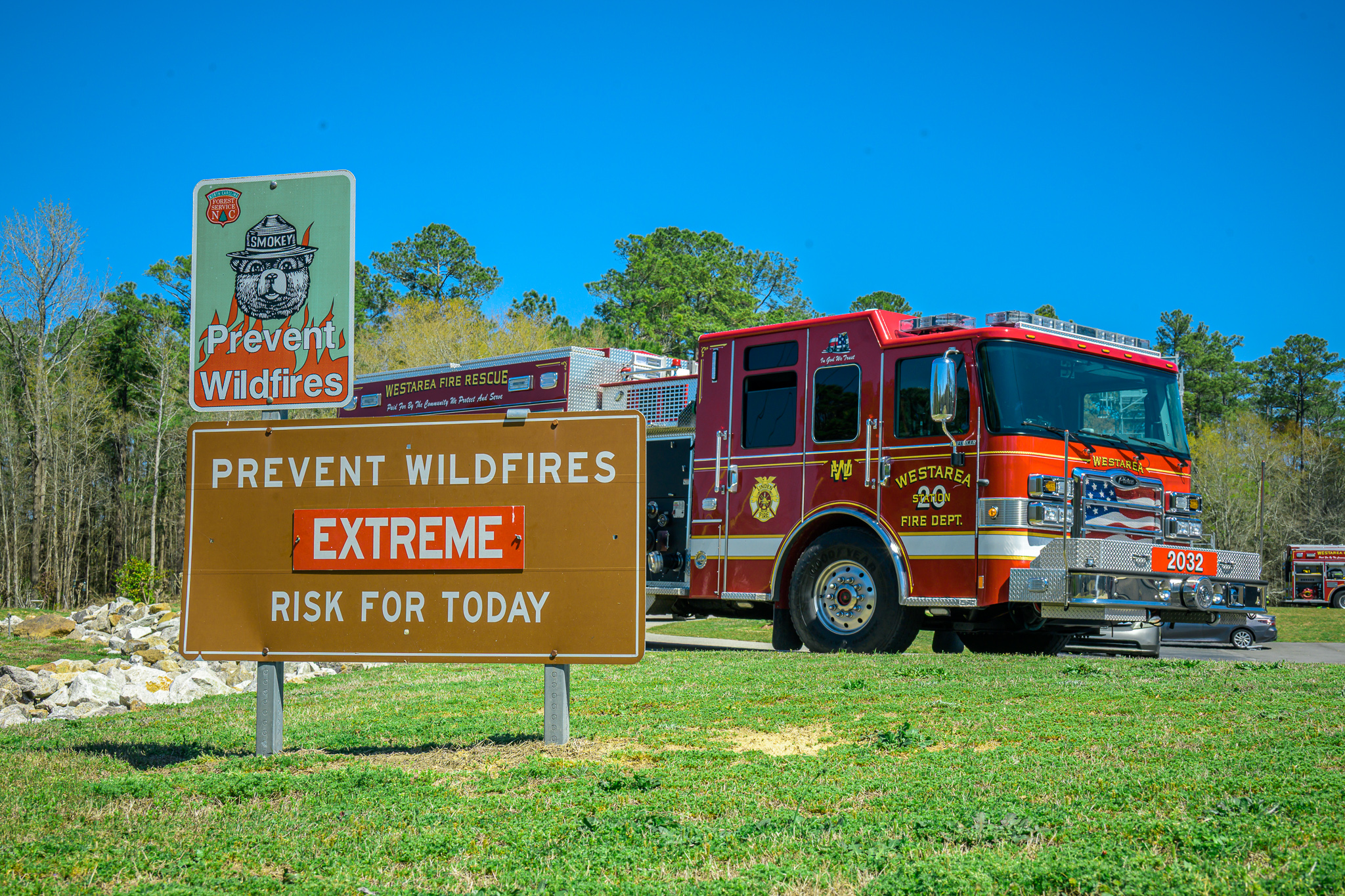
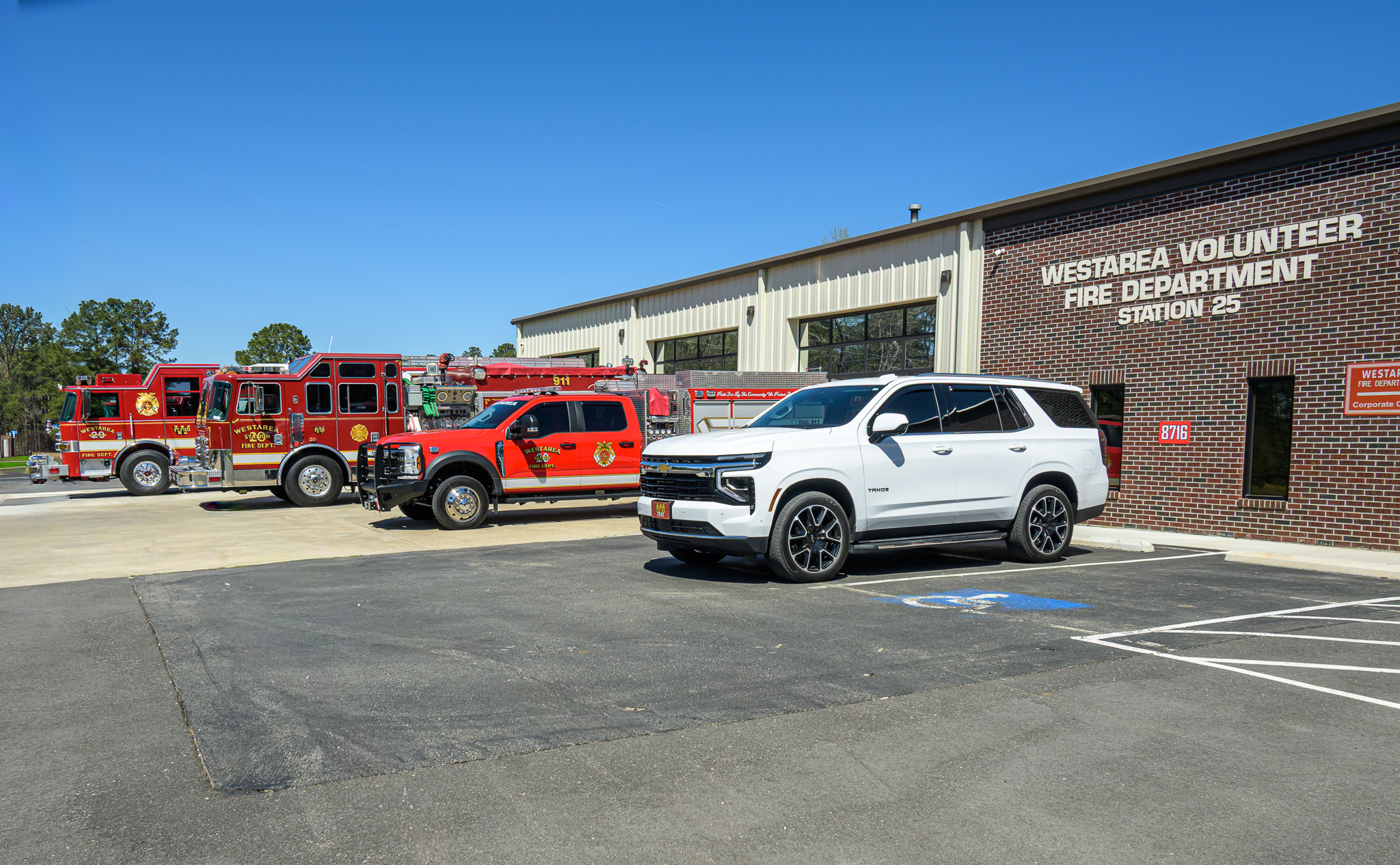
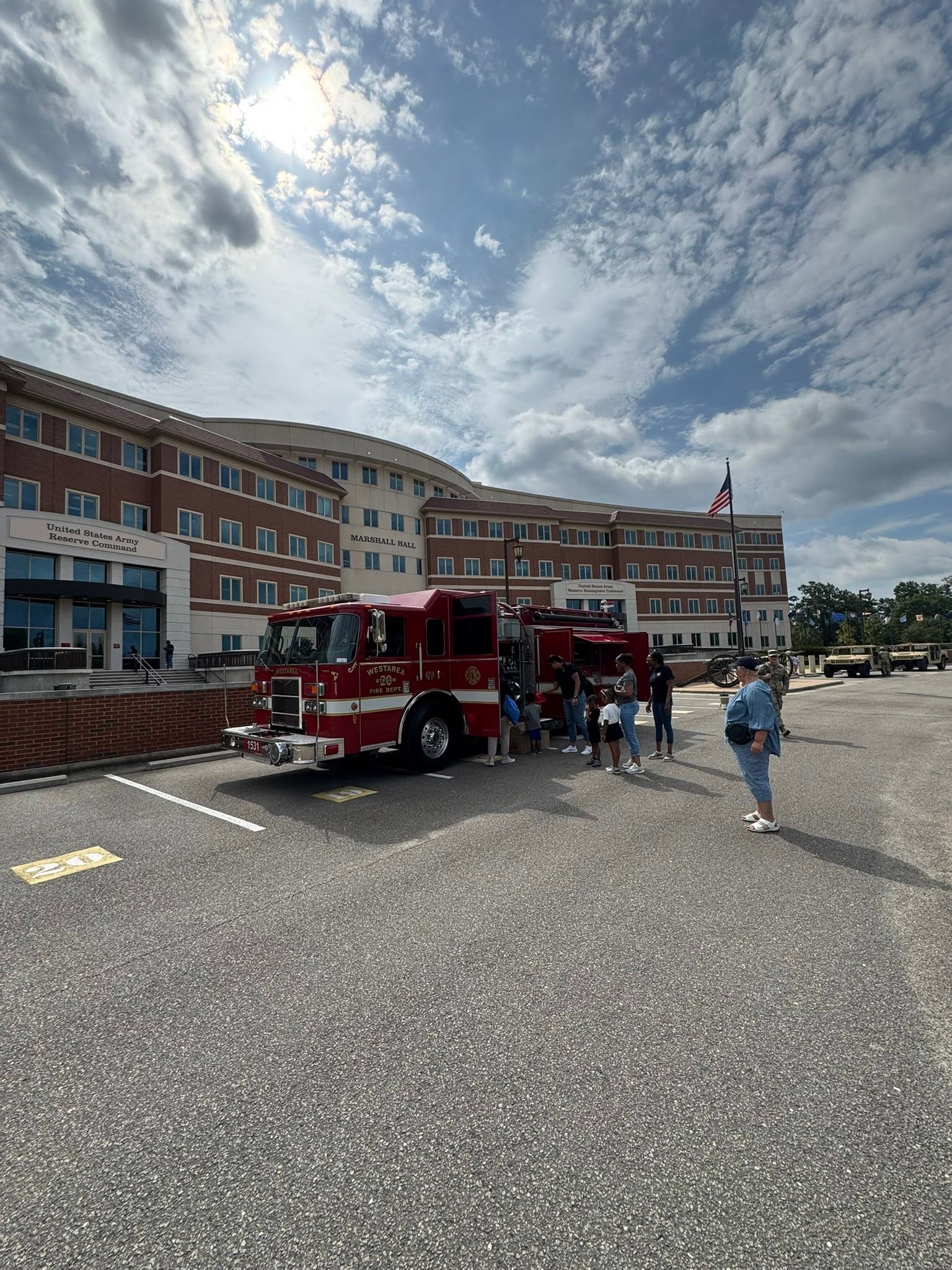
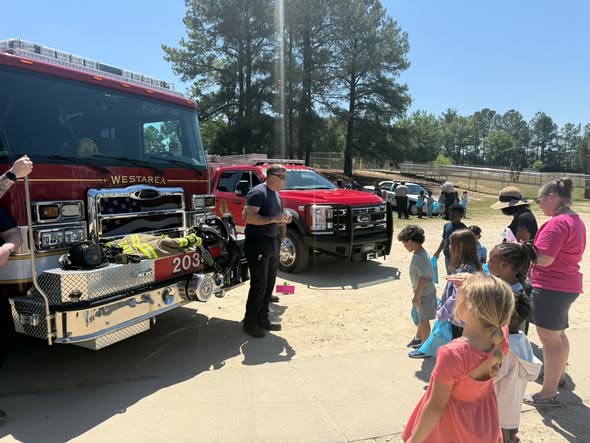
Community outreach and prevention education moments from Westarea.

Burn Prevention

What To Look For

Kitchen and Home Safety

Keep handles turned inward, use back burners when possible, and stay in the room when cooking oil or open flame is involved.

  • Loose sleeves, towels, and paper near burners
  • Children or pets near hot surfaces
  • Grease buildup near stovetops and ovens
Prevention Moves

Heating and Fire Sources

Space heaters need clearance, candles need supervision, and grills should stay outdoors and away from siding, dry grass, or overhangs.

  • Keep 3 feet of clearance around heaters
  • Never run extension cords under rugs
  • Turn off portable heaters before sleep
If a burn is large, deep, involves the face or airway, or starts to swell quickly, call 911 immediately.
CPR Basics

Important

Public Awareness Only

This is not certified training. It is a simple reminder to call 911, follow dispatcher instructions, and start compressions if the patient is unresponsive and not breathing normally.

Rhythm and Tempo

Fast Actions Matter

Push hard and fast in the center of the chest if instructed to do so, and use an AED as soon as one is available and safe to apply.

  • Target rhythm: 100-120 compressions per minute
  • Common song cue: Stayin' Alive (Bee Gees)
  • Another cue some families use: Baby Shark (tempo reminder only)
What To Look For

When CPR May Be Needed

  • Person is unresponsive and not breathing normally
  • Gasping only (agonal breathing) is not normal breathing
  • No normal movement and no meaningful response
For actual certification, use an approved CPR course and hands-on skills evaluation through a recognized training provider.

Fire Spread and Safety Facts

Modern home fires can become life-threatening faster than most people expect. Early detection and immediate action save lives.

MinutesSome rooms can flash over in just a few minutes after ignition.
2 WaysHeat and toxic smoke can incapacitate occupants before flames reach them.
1 PlanEvery family should have two exits per room and a meeting point outside.
10 YearsReplace smoke alarms at manufacturer end-of-life (often around 10 years).
Extinguisher Use

PASS Method

  • Pull the pin
  • Aim at the base of the fire
  • Squeeze the handle
  • Sweep side to side

If the fire grows, smoke thickens, or you are not confident, evacuate and call 911 immediately.

Smoke Detector Basics

Placement and Checks

  • Install alarms in every bedroom, outside sleeping areas, and on each floor
  • Test monthly and replace batteries as recommended
  • Do not remove batteries to silence nuisance alarms
  • Practice evacuation drills at least twice a year
Family Drill Checklist

30-Second Exit Goal

  • Know two exits from every bedroom
  • Pick one outside meeting point
  • Never go back inside for pets or items
  • Call 911 from outside, then stay out

Hurricane Preparedness

Build the Kit Early

Water, shelf-stable food, medications, flashlights, batteries, chargers, copies of documents, and pet supplies should be ready before a storm forms.

Know the Plan

Know evacuation routes, family meeting points, and where you will go if roads flood or power is out for multiple days.

Before the Wind Arrives

Secure outdoor items, fill vehicles with fuel, charge devices, and keep weather alerts on. Never drive through flooded roads.

Stay Connected

Watch local emergency management updates, follow county guidance, and check on neighbors who may need help before and after the storm.

Community Safety Photo Board

A quick visual tour of prevention outreach, safe station engagement, and readiness resources used to support the public.

Visit Full Photo Hub - Community View

Quick Value: What To Do Right Now

Tonight

  • Check smoke detector test buttons
  • Find two exits from each bedroom
  • Confirm extinguisher location in kitchen/garage

This Week

  • Run a family fire drill
  • Build or refresh hurricane supply kit
  • Save emergency contacts in all phones

This Month

  • Review CPR course options for certification
  • Inspect detector manufacture dates
  • Replace expired or missing fire extinguishers